
Does Time Really Heal All Wounds?
Why Healing Requires More Than Waiting
Stacy-Ann Smith
· 7 min read
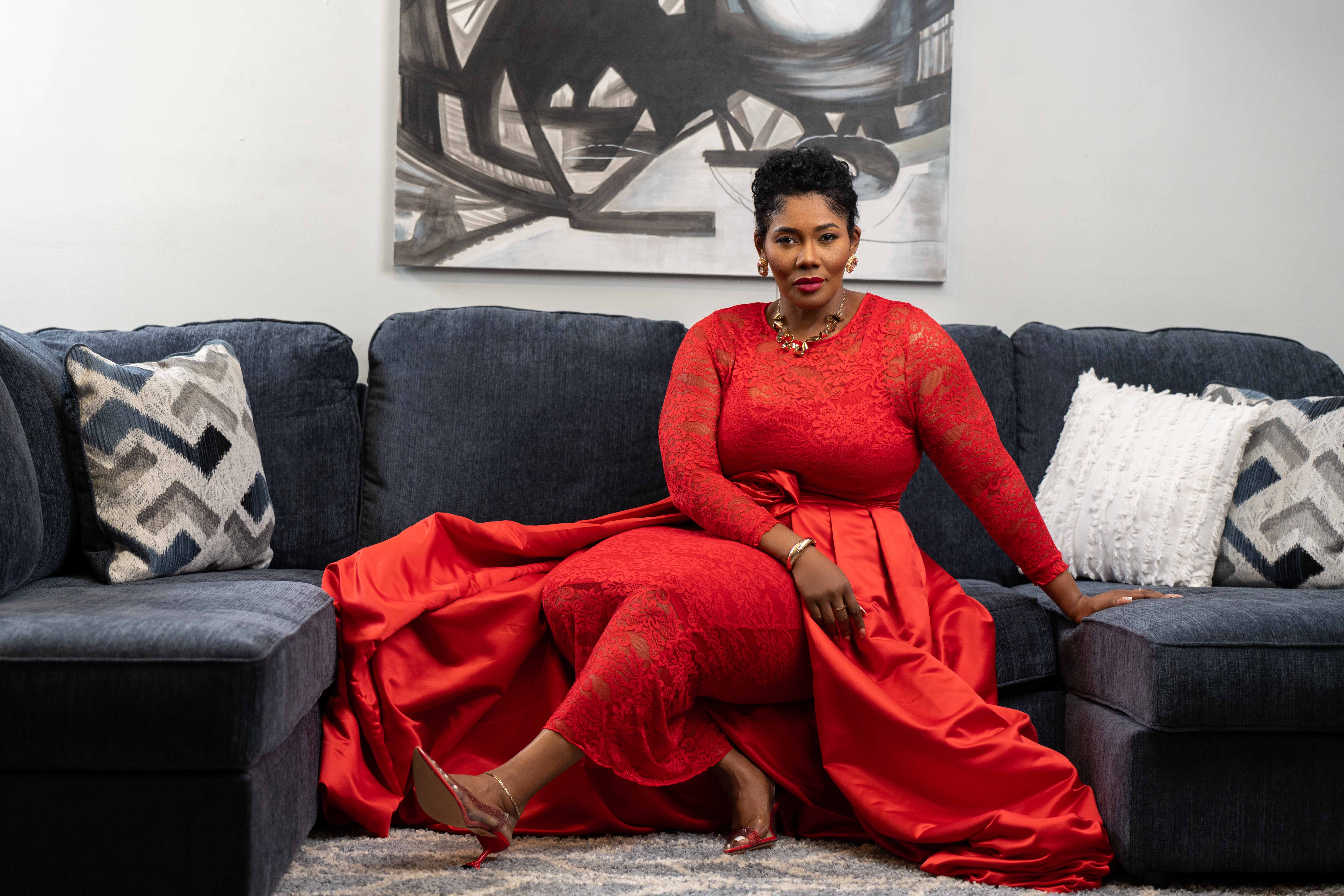
TIME DOES NOT HEAL | LONG-FORM ARTICLE
Time can soften the sharpest edge of pain. But silence is not surgery, distance is not repair, and a wound ignored is not necessarily a wound healed.
The saying sounds comforting - until it becomes a hiding place
“Time heals all wounds” is one of those sayings people reach for when they do not know what else to say. It sounds gentle. It promises that the clock itself will do the difficult work for us - tick tock, tick tock; and somehow sorrow will shrink, betrayal will dissolve, and the bruised parts of us will quietly return to their original shape. I understand why we want to believe it. When you’re hurting, the idea that simply surviving long enough could make you whole again can inspire hope.
But life has so far taught me something less convenient and, ultimately, more freeing - time can create distance from a wound without healing the source of the wound. You can stop crying about an experience but still be limping along emotionally. You can stop talking about an old humiliation but still hear its echo whenever you enter a room. You can leave a painful relationship yet still carry the version of yourself that learned to accept less than love. The calendar moves forward whether we heal or not.
That is the central truth of my memoir, ‘Time Does Not Heal’. It is not an argument against hope. It is an argument for participation. Healing, in my experience, is not something that happens to us because enough birthdays pass. It is something we move toward deliberately - sometimes with faith, sometimes with therapy or counselling, sometimes through honest conversations, and often through a combination of all three.
A wound can close on the surface but still affect how you move
Physical wounds give us language that emotional wounds often do not. If you cut your leg badly, no sensible person tells you to ignore it for three years and trust the calendar. You clean it. You protect it. If it is deep enough, you seek professional care. You watch for infection. And even after the skin closes, you understand that there may be a scar - evidence not that your body failed, but that something happened and your body had to repair itself.
Emotional pain deserves the same seriousness. The scar may not be visible, but it can still change posture. A childhood insult may become an adult insecurity. Repeated rejection may train someone to expect abandonment before love has even had a chance to prove itself. A difficult marriage can end, yet the habits developed inside it - shrinking, over-explaining, second-guessing, accepting disrespect as normal - may remain long after the legal papers are signed.
We often call that “moving on” because the crisis has ended. But moving is not always healing. Sometimes we simply learn how to walk around a tender place.
The clothespin that outlived the moment
In ‘Time Does Not Heal’, I write about insights from a childhood experience I refer to as ‘Lessons from a Clothespin’. My grandfather used to place a clothespin on the bridge of my nose in an attempt to alter its shape. To an adult, depending on your culture or background, it may sound like an odd thing to do to a child. It may even seem insignificant, something a child should have forgotten certainly by the time puberty set in. But children do not experience the world with an adult’s ability to separate another person’s prejudice from their own worth.
The message I absorbed was not simply that someone wanted my nose to look different. The deeper message was that something about my face needed correcting. That idea did not remain neatly folded inside childhood. It travelled. It whispered into adolescence. It fed insecurity. It became part of the internal argument about whether I was beautiful enough, worthy enough.
It’s one of many reasons I resist the idea that time, by itself, heals. Years passed after the clothespin. The clothespin disappeared. The lesson it left behind did not disappear nearly as easily.
Sometimes the evidence of an old wound appears in a new decision.
One of the most difficult parts of healing is discovering that a past experience has been voting in present-day decisions without your permission. You think you are choosing freely, and then one day you look back and realize fear had chosen for you. Insecurity had chosen for you. The desperate desire to be affirmed was an active part of the decision.
When I think about the relationship that became my marriage, I have had to look honestly at the woman who entered it. Not to blame her. Not to mock her. To understand her. A woman who is uncertain of her value can mistake attention for affirmation. She can negotiate against herself. She can remain where she is diminished because somewhere inside, a much younger version of her is still trying to prove that she deserves to be chosen.
The point is not that one childhood moment mechanically causes one adult outcome. Human lives are more complex than that. The point is that experiences accumulate. They shape the stories we tell ourselves. And those stories can influence what we tolerate, what we fear, what we pursue and what we believe we deserve.
Healing begins when we stop romanticising endurance
Caribbean people know how to endure. We know how to “hold strain,” pray through storms, make something out of nothing, and show up beautifully dressed while carrying burdens no one can see. There is dignity in resilience. But resilience becomes dangerous when it convinces us that surviving something means we have processed it.
Healing asks different questions. What did this experience teach me about myself? Which of those lessons were lies? What patterns did I develop to protect myself then that are hurting me now? What do I need to grieve? What do I need to forgive? Where do I need boundaries? Whose help do I need?
Those questions are not signs of weakness. They are signs that we have stopped outsourcing our emotional lives to the passage of time.
Time can help - but time needs company
I am not saying time is useless. Time can create space. It can cool the nervous urgency of a crisis. It can give us perspective we did not have when the pain was fresh. It can introduce us to new people, new evidence and new versions of ourselves. Time can be a room in which healing happens.
But the room is not the work.
The work may look like prayer. It may look like sitting across from a counsellor and saying the sentence you have spent years swallowing. It may look like reading, journaling, apologising, grieving, setting a boundary or finally admitting, “That hurt me more than I wanted anyone to know.” It may look like discovering that strength is not the absence of pain, but the willingness to tend to it.
That is why I called the book ‘Time Does Not Heal’. I wanted the title to disrupt mindsets, to interrupt long-held beliefs. I wanted it to make someone stop mid-scroll, mid-conversation, mid-life and ask: If time has not healed this, what am I going to do about it?
Do not wait for the wound to become your way of life
There are hurts we become so accustomed to carrying that we mistake their weight for our personality. “I’m just guarded.” “I’m just bad at relationships.” “I’ve always had low self-esteem.” “I don’t trust anybody.” “That is simply who I am.” Sometimes it is. And sometimes it is an old survival strategy wearing a name tag.
If there is one thing I hope readers take from my story, it is permission to become curious about their own. You do not have to despise the person you were. You do not have to excavate every memory for drama. You do not have to perform your pain publicly. You can simply become honest about what still hurts, what still shapes you and what kind of support might help you move differently.
Time will pass either way. The question is whether we will use it only to get older, or use it become better not bitter.